


As a supplier of Krill Oil Softgel, I've encountered numerous inquiries regarding the ideal time to consume these supplements. In this blog, I'll delve into the science behind krill oil, the factors influencing the recommended intake time, and provide some practical guidance to help you make the most of this beneficial product.
Understanding Krill Oil
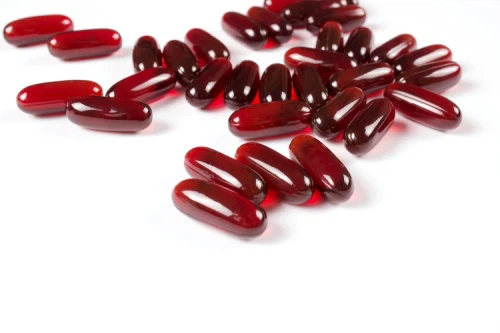
Krill oil is derived from tiny, shrimp - like crustaceans called krill. It is a rich source of omega - 3 fatty acids, including eicosapentaenoic acid (EPA) and docosahexaenoic acid (DHA), which are well - known for their health benefits. These fatty acids support heart health, brain function, joint health, and may even have anti - inflammatory properties. Additionally, krill oil contains astaxanthin, a powerful antioxidant that gives krill oil its distinctive red color. The antioxidant properties of astaxanthin can help protect cells from oxidative stress and damage.
You can explore our high - quality Omega3 Krill Oil and Astaxanthin Krill Oil products, which are encapsulated in our Krill Oil Softgel for convenient consumption.

Factors Affecting the Recommended Time to Take Krill Oil Softgel
1. Digestion and Absorption
Krill oil is a fat - soluble supplement. This means that it is best absorbed in the presence of dietary fat. When you consume krill oil with a meal that contains some healthy fats, such as avocados, nuts, or olive oil, the bile acids released during digestion help break down the fat in the krill oil and facilitate its absorption into the bloodstream.
Research has shown that taking fat - soluble supplements with a high - fat meal can significantly increase their bioavailability. For example, a study published in the Journal of Lipid Research found that the absorption of omega - 3 fatty acids was enhanced when taken with a meal rich in dietary fat compared to taking them on an empty stomach.
2. Individual Health Goals
The time of taking krill oil can also be influenced by your specific health goals.
- Heart Health: If your primary goal is to support heart health, taking krill oil in the morning with breakfast may be beneficial. Starting your day with a dose of omega - 3 fatty acids can help maintain healthy cholesterol levels, reduce triglycerides, and support overall cardiovascular function throughout the day.
- Brain Function: For those looking to enhance cognitive function, taking krill oil in the morning or early afternoon might be a good choice. The omega - 3 fatty acids in krill oil can support neurotransmitter function and improve mental clarity, which can be particularly useful during the work or study hours.
- Joint Health: If joint pain or inflammation is your concern, taking krill oil with dinner could be advantageous. As you rest at night, the anti - inflammatory properties of krill oil can work to reduce joint discomfort and swelling while your body is in a state of repair.
3. Sleep Quality
Some people may experience mild digestive discomfort or a fishy aftertaste when taking krill oil. If this is the case for you, taking it at a time when you are less likely to be bothered by these side effects is important. For example, taking krill oil with a large meal in the evening may help reduce the likelihood of experiencing a fishy burp, as the food in your stomach can dilute the oil and slow down its digestion.
Practical Recommendations
1. Morning Routine
Taking krill oil with breakfast is a popular choice for many people. A typical breakfast might include whole - grain toast with avocado (a good source of healthy fat), a glass of milk, and a serving of krill oil softgel. This combination not only ensures that the krill oil is taken with dietary fat for optimal absorption but also starts your day with a dose of essential nutrients.
If you have a busy morning and don't have time for a full - fledged breakfast, you can still take krill oil with a small snack that contains some fat, such as a handful of nuts or a spoonful of peanut butter.
2. Afternoon Boost
If you missed taking krill oil in the morning, taking it with an afternoon snack can be a great alternative. For example, you can have a piece of fruit with a small amount of cheese or a yogurt with some granola that contains nuts. This mid - day dose can help maintain a steady level of omega - 3 fatty acids in your body and provide an energy boost.
3. Evening Dose
As mentioned earlier, taking krill oil with dinner can be beneficial for joint health and may also reduce the chances of experiencing side effects. A dinner that includes a fatty fish like salmon, along with vegetables and a healthy fat source like olive oil, is an ideal meal to take krill oil with.
It's important to note that everyone's body is different, and you may need to experiment to find the best time that works for you. Some people may find that they tolerate krill oil better at a certain time of the day, while others may notice more significant health benefits when taking it at a specific time according to their goals.
Conclusion
In conclusion, the recommended time to take Krill Oil Softgel depends on various factors, including digestion, absorption, individual health goals, and personal tolerance. Generally, taking krill oil with a meal that contains dietary fat is the best way to ensure optimal absorption. Whether you choose to take it in the morning, afternoon, or evening, incorporating krill oil into your daily routine can provide a range of health benefits.
If you're interested in purchasing our high - quality Krill Oil Softgel products or have any questions about the recommended intake, please feel free to reach out for a procurement discussion. We're here to assist you in making the most of this amazing supplement.
References
- Journal of Lipid Research. (Year). Study on the absorption of omega - 3 fatty acids with different meal compositions.


