


Hey there! As a supplier of Organic Iron Gummies, I often get asked about the recommended dosage for adults. It's a crucial question because getting the right amount of iron is super important for our overall health. So, let's dive right into it.
First off, why do adults need iron? Well, iron plays a vital role in our bodies. It helps in the production of hemoglobin, a protein in red blood cells that carries oxygen from our lungs to the rest of the body. Without enough iron, we can end up feeling tired, weak, and even develop anemia.
Now, the recommended dietary allowance (RDA) of iron for adult men and post - menopausal women is around 8 milligrams per day. But for pre - menopausal women, the RDA is higher, about 18 milligrams per day. This is because women lose iron during menstruation. Pregnant women have an even higher need, with an RDA of 27 milligrams per day, as the growing fetus requires a good supply of iron.
When it comes to our Organic Iron Gummies, the dosage can vary depending on a few factors. If you're an adult with a normal iron level and just want to maintain it, taking one or two gummies a day might be sufficient. Each of our gummies contains a certain amount of organic iron, which is easily absorbed by the body.
However, if you've been diagnosed with iron deficiency anemia, your doctor might recommend a higher dosage. In such cases, you could take three to four gummies a day, but only under medical supervision. It's really important not to overdo it on iron supplements because too much iron can be harmful. It can cause constipation, nausea, vomiting, and in severe cases, it can damage the liver and other organs.
Let me share a little bit about how our Organic Iron Gummies are different. We use organic sources of iron, which means they're free from harmful chemicals and pesticides. This makes them a healthier option compared to some other iron supplements out there. Plus, they taste great! No more gagging on those big, chalky iron pills.
Now, you might be wondering if there are any other factors that can affect how much iron you need. Well, yes. Your diet plays a huge role. If you eat a lot of iron - rich foods like red meat, poultry, fish, beans, and leafy green vegetables, you might need less of our gummies. On the other hand, if your diet is low in iron, you might need to take a higher dosage.
Also, certain medications and health conditions can interfere with iron absorption. For example, antacids and proton - pump inhibitors can reduce the amount of iron your body can absorb. So, if you're taking any of these medications, it's a good idea to talk to your doctor about adjusting your iron intake.
Another thing to keep in mind is that iron is better absorbed when taken with vitamin C. You can take our Organic Iron Gummies with a glass of orange juice or a vitamin C supplement to boost absorption.
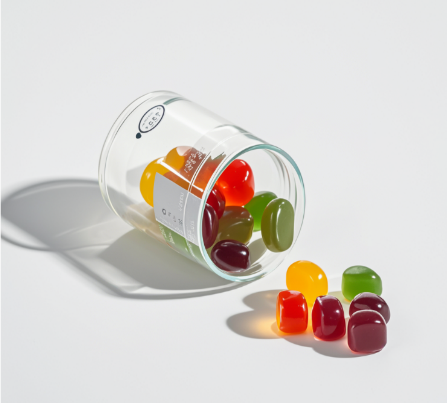

We also offer other great products to support your health. Check out our Vitamin Zinc Gummies. Zinc is important for a healthy immune system, wound healing, and cell growth. Our Lutein Esters Gummy is also a fantastic option for eye health. And if you're into fitness, our White Kidney Tablets can help support your workout goals.
If you're interested in our Organic Iron Gummies or any of our other products, we'd love to hear from you. Whether you're a retailer looking to stock our products or an individual who wants to try them out, we're here to help. Just reach out to us, and we can discuss your needs and come up with the best solution for you.
In conclusion, the recommended dosage of our Organic Iron Gummies for adults depends on your iron level, diet, and overall health. Always consult your doctor before starting any new supplement. And remember, we're here to provide you with high - quality, organic supplements to support your health journey.
References
- Institute of Medicine (US) Panel on Dietary Antioxidants and Related Compounds. Dietary Reference Intakes for Vitamin C, Vitamin E, Selenium, and Carotenoids. Washington (DC): National Academies Press (US); 2000. Iron. Available from: https://www.ncbi.nlm.nih.gov/books/NBK22237/
- World Health Organization. Iron deficiency anaemia: assessment, prevention, and control. A guide for programme managers. Geneva: World Health Organization; 2001.


