


Quercetin is a flavonoid that has gained significant attention in the health and wellness industry due to its potential health benefits, including antioxidant, anti - inflammatory, and immune - boosting properties. As a supplier of Quercetin Capsules, I often receive inquiries about the extraction method of quercetin used in our products. In this blog post, I will delve into the details of how quercetin is extracted to ensure the high - quality and efficacy of our Quercetin Capsules.
Sources of Quercetin
Quercetin is widely distributed in nature and can be found in various fruits, vegetables, grains, and herbs. Some of the richest sources of quercetin include onions, apples, berries, tea, and capers. However, for large - scale production of Quercetin Capsules, plant materials are carefully selected based on their quercetin content, availability, and ease of extraction. Commonly used plant sources for commercial quercetin extraction are Sophora japonica, which contains high levels of rutin, a glycoside form of quercetin.
General Extraction Process
The extraction of quercetin from plant materials typically involves several key steps: pre - treatment, extraction, purification, and isolation.
Pre - treatment
The first step in the extraction process is pre - treatment of the plant material. This involves cleaning the raw material to remove any dirt, debris, or non - plant matter. After cleaning, the plant material is usually dried to reduce its moisture content. Drying is crucial as it helps to preserve the plant material and makes it easier to extract the quercetin. The dried plant material is then ground into a fine powder to increase the surface area available for extraction. This allows for more efficient extraction of quercetin from the plant cells.
Extraction
There are several methods for extracting quercetin from the pre - treated plant material, including solvent extraction, supercritical fluid extraction, and enzymatic extraction.

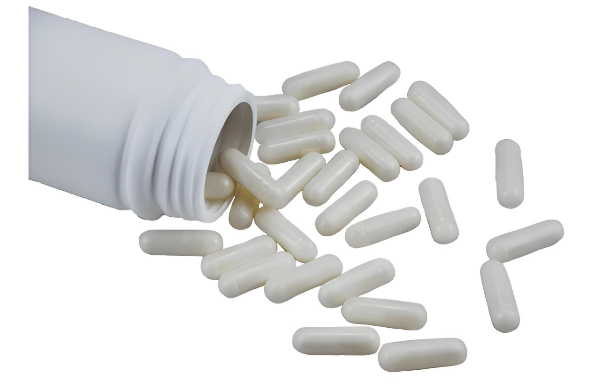
- Solvent Extraction: Solvent extraction is one of the most commonly used methods for quercetin extraction. In this method, a suitable solvent, such as ethanol, methanol, or water, is used to dissolve the quercetin from the plant material. The choice of solvent depends on factors such as the solubility of quercetin in the solvent, the safety of the solvent, and the cost. For example, ethanol is a popular choice because it is relatively safe, has a good solubility for quercetin, and is easily removed from the extract. The pre - treated plant powder is mixed with the solvent in a suitable container, and the mixture is usually heated and stirred for a certain period to facilitate the extraction process. After extraction, the mixture is filtered to separate the liquid extract from the solid residue.
- Supercritical Fluid Extraction (SFE): Supercritical fluid extraction is a more advanced and environmentally friendly method. In SFE, carbon dioxide (CO₂) is used as the supercritical fluid. At a certain temperature and pressure, CO₂ enters a supercritical state, where it has properties of both a gas and a liquid. Supercritical CO₂ has excellent solubility and diffusivity, which allows it to penetrate the plant cells and extract quercetin efficiently. The advantage of SFE is that it does not leave any harmful solvent residues in the extract, and the extraction conditions can be precisely controlled. However, the equipment for SFE is more expensive, which may increase the production cost.
- Enzymatic Extraction: Enzymatic extraction involves the use of enzymes to break down the cell walls of the plant material and release the quercetin. Enzymes such as cellulase and pectinase can be used to hydrolyze the polysaccharides in the cell walls, making it easier for the quercetin to be extracted. This method is relatively mild and can be carried out at lower temperatures, which helps to preserve the structure and activity of the quercetin. However, the enzymatic extraction process is usually slower and may require more careful control of the enzymatic reaction conditions.
Purification
After extraction, the crude extract usually contains a mixture of quercetin and other impurities, such as pigments, proteins, and other plant metabolites. Purification is necessary to obtain a high - purity quercetin product. Common purification methods include filtration, centrifugation, and chromatography.
- Filtration and Centrifugation: Filtration is used to remove large particles and insoluble impurities from the extract. Centrifugation can further separate the extract into different phases based on the density, removing any remaining solid particles or emulsions.
- Chromatography: Chromatography is a powerful purification technique that can separate quercetin from other components in the extract based on their different physical and chemical properties. Column chromatography, such as silica gel column chromatography or ion - exchange chromatography, is often used to purify quercetin. In column chromatography, the extract is passed through a column filled with a stationary phase, and different components in the extract will have different affinities for the stationary phase and elute at different times, allowing for the separation and purification of quercetin.
Isolation
Once the quercetin is purified, it is isolated from the purified extract. This can be achieved by methods such as crystallization. In crystallization, the purified extract is concentrated, and then the quercetin is allowed to crystallize out of the solution. The crystals are then collected, washed, and dried to obtain pure quercetin.
Quality Control in the Extraction Process
As a supplier of Quercetin Capsules, we place great emphasis on quality control throughout the extraction process. We ensure that the raw plant materials are sourced from reliable suppliers and are free from pesticides, heavy metals, and other contaminants. During the extraction process, we strictly follow the standard operating procedures to ensure the consistency and reproducibility of the extraction. We also conduct regular quality inspections on the extracted quercetin, including tests for purity, content, and identity. Only when the quercetin meets our strict quality standards can it be used in the production of our Quercetin Capsules.
Our Other Capsule Products
In addition to Quercetin Capsules, we also offer a range of other high - quality capsule products. For example, our Magnesium Glycinate Complex Capsules are formulated to provide a bioavailable form of magnesium, which is essential for many physiological functions in the body. Our Hyaluronic Acid Capsules can help to maintain skin hydration and joint health. And our Calcium Magnesium Capsule is a great combination for bone health.
Contact Us for Procurement
If you are interested in our Quercetin Capsules or any of our other capsule products, we welcome you to contact us for procurement. We are committed to providing high - quality products at competitive prices and excellent customer service. Whether you are a retailer, distributor, or looking for private - label manufacturing, we can meet your specific needs. Feel free to reach out to us to start a discussion about your requirements.
References
- Harborne, J. B., & Williams, C. A. (2000). Advances in flavonoid research since 1992. Phytochemistry, 55(6), 481 - 504.
- Shahidi, F., & Naczk, M. (Eds.). (2003). Phenolics in food and nutraceuticals. CRC press.
- Wang, H., & Weller, C. L. (2006). Supercritical fluid extraction of natural products. Journal of Chromatography A, 1112(1 - 2), 1 - 24.


