


Krill oil has gained significant popularity in recent years due to its numerous health benefits. As a leading supplier of Krill Oil Softgel, I often encounter questions from customers about the differences between Krill Oil Softgel and regular krill oil. In this blog post, I will delve into the details to help you understand these distinctions and make an informed decision.
What is Krill Oil?
Krill are small, shrimp - like crustaceans that inhabit the cold waters of the Antarctic Ocean. Krill oil is extracted from these tiny creatures and is rich in omega - 3 fatty acids, particularly eicosapentaenoic acid (EPA) and docosahexaenoic acid (DHA). These omega - 3s are well - known for their positive effects on heart health, brain function, and reducing inflammation in the body. Additionally, krill oil contains astaxanthin, a powerful antioxidant that gives krill oil its characteristic red color and provides additional health benefits, such as protecting cells from oxidative damage.
Regular Krill Oil
Regular krill oil is the raw, unencapsulated form of the oil. It is usually in a liquid state and can be consumed directly or added to food and beverages. The main advantage of regular krill oil is its high purity. Since it is in its most natural form, it retains all the beneficial nutrients without any additional processing that might reduce their potency.

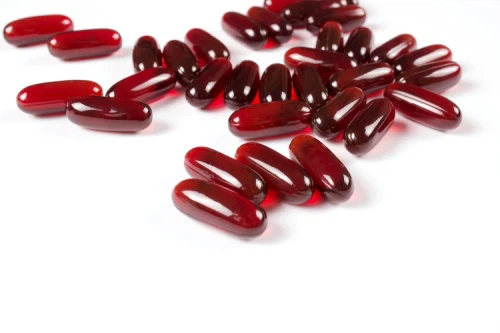
However, regular krill oil also has some drawbacks. One of the most significant issues is its taste and smell. Krill oil has a distinct, fishy odor and taste that many people find unpleasant. This can make it difficult for some individuals to consume regularly. Moreover, the liquid form of regular krill oil is less convenient for storage and transportation. It needs to be kept refrigerated to maintain its freshness and prevent oxidation, which can degrade the quality of the oil over time.
Krill Oil Softgel
Krill Oil Softgel is a more consumer - friendly option. It is the krill oil encapsulated in a soft gelatin shell. This form offers several advantages over regular krill oil.
1. Taste and Smell
The softgel encapsulation effectively masks the fishy taste and smell of krill oil. Consumers can take Krill Oil Softgels without having to endure the unpleasant flavor, making it much easier to incorporate into their daily routine. This is especially beneficial for those who are sensitive to the taste of fish oil or have a weak stomach.
2. Convenience
Krill Oil Softgels are extremely convenient. They are pre - measured, so there is no need to measure out the correct dosage each time. They are also easy to carry around, whether you are traveling or just going about your daily activities. Unlike regular krill oil, they do not require refrigeration under normal conditions, which makes them more suitable for long - term storage and transportation.
3. Stability
The gelatin shell of the softgel provides a protective barrier that helps to prevent the oxidation of the krill oil inside. Oxidation can lead to the formation of free radicals, which not only reduce the quality of the oil but can also have negative health effects. By protecting the krill oil from oxygen, light, and heat, Krill Oil Softgels can maintain their quality and potency for a longer period.
4. Dosage Accuracy
Each Krill Oil Softgel contains a precise amount of krill oil, ensuring that consumers get a consistent and accurate dosage every time. This is important for achieving the desired health benefits, as taking the right amount of omega - 3 fatty acids and other nutrients is crucial.
Other Related Krill Products
In addition to Krill Oil Softgel and regular krill oil, there are other krill - based products available in the market. Krill Protein Peptide is one such product. Krill protein peptides are derived from the protein in krill and have unique nutritional properties. They are rich in essential amino acids and have been shown to have potential benefits for muscle repair and growth, as well as immune function.
Phospholipid Krill Oil is another variant. Phospholipids are an important component of cell membranes, and the phospholipid form of krill oil allows for better absorption of the omega - 3 fatty acids in the body. This means that the body can utilize the nutrients in phospholipid krill oil more efficiently compared to regular krill oil.
Conclusion
In summary, while both Krill Oil Softgel and regular krill oil offer the same core health benefits, they have distinct differences in terms of taste, convenience, stability, and dosage accuracy. Krill Oil Softgel is a more user - friendly option, especially for those who are new to krill oil or have difficulty with the taste and smell of the liquid form. On the other hand, regular krill oil may be preferred by individuals who value the highest level of purity and are willing to deal with the challenges of its taste and storage.
If you are interested in incorporating krill oil into your health regimen or are a business looking to source high - quality krill oil products, I encourage you to contact us for a procurement discussion. We are committed to providing the best Krill Oil Softgel and other krill - based products to meet your needs.
References
- Simopoulos, A. P. (2002). The importance of the ratio of omega - 6/omega - 3 essential fatty acids. Biomedicine & Pharmacotherapy, 56(8), 365 - 379.
- Bang, H. O., & Dyerberg, J. (1972). Plasma lipids and lipoproteins in Greenlandic West - coast Eskimos. Acta Medica Scandinavica, 192(4), 339 - 343.
- Christie, W. W. (2003). Lipid analysis: isolation, separation, identification, and structural analysis of lipids. Oily Press.


