


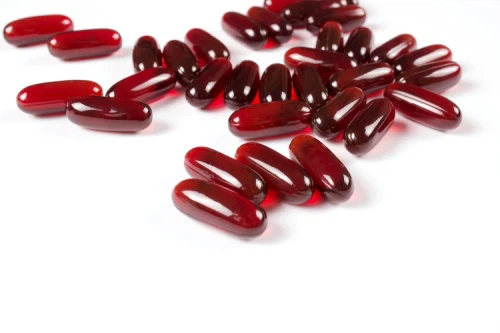
Krill oil softgels have gained significant popularity in recent years due to their potential health benefits, including anti - inflammatory properties, support for heart health, and cognitive function. As a supplier of Krill Oil Softgel, I understand the importance of providing accurate information to consumers. While krill oil offers numerous advantages, it's essential to be aware of the potential risks associated with its consumption.
1. Allergic Reactions
One of the most significant risks of taking krill oil softgels is the potential for allergic reactions. Krill are a type of small, shrimp - like crustaceans, and individuals allergic to shellfish are at a high risk of having an allergic response to krill oil. Allergic reactions can range from mild symptoms such as itching, hives, and swelling of the lips, tongue, or face to more severe and life - threatening conditions like anaphylaxis.
Anaphylaxis is a severe, whole - body allergic reaction that can cause difficulty breathing, a drop in blood pressure, and loss of consciousness. If someone with a shellfish allergy accidentally consumes krill oil softgels, they should seek immediate medical attention. Even those with a history of mild shellfish allergies should avoid krill oil unless under the supervision of a healthcare provider.
2. Blood - Thinning Effects
Krill oil contains omega - 3 fatty acids, specifically eicosapentaenoic acid (EPA) and docosahexaenoic acid (DHA). These fatty acids have natural blood - thinning properties. While this can be beneficial for heart health by reducing the risk of blood clots, it also poses risks, especially for individuals who are already taking blood - thinning medications such as warfarin, aspirin, or clopidogrel.
Combining krill oil with these medications can increase the risk of bleeding. This may manifest as nosebleeds, easy bruising, longer bleeding times from cuts, or even more severe internal bleeding. People on blood - thinning medications should consult their doctor before starting to take krill oil softgels. Additionally, individuals scheduled for surgery should stop taking krill oil at least two weeks before the procedure to reduce the risk of excessive bleeding during and after the operation.
3. Interaction with Medications
Apart from blood - thinning medications, krill oil can interact with other drugs. For example, it may interact with some cholesterol - lowering medications. Statins are commonly prescribed to reduce cholesterol levels, and when taken with krill oil, there is a potential for an increased risk of muscle pain and weakness. This condition, known as myopathy, can range from mild discomfort to severe muscle damage.
Krill oil may also interact with anti - hypertensive medications. Since omega - 3 fatty acids can lower blood pressure, combining krill oil with high - blood - pressure drugs may cause blood pressure to drop too low, leading to dizziness, fainting, or other complications. It is crucial for individuals taking any prescription medications to discuss krill oil supplementation with their healthcare provider to avoid potentially harmful drug interactions.

4. Contamination Risks
The source of krill oil is a critical factor when considering potential risks. Krill are often harvested from the Antarctic Ocean, which is generally considered a clean environment. However, there is still a risk of contamination. Krill can accumulate environmental pollutants such as heavy metals (e.g., mercury, lead, and cadmium), polychlorinated biphenyls (PCBs), and dioxins.
These contaminants can be present in the krill oil softgels if the manufacturing process does not effectively remove them. Long - term exposure to these pollutants can have serious health effects, including damage to the nervous system, kidneys, and liver. As a Krill Oil Softgel supplier, we take extensive measures to ensure that our products are free from harmful contaminants. We source our Natural Antarctic Krill Oil from sustainable and clean sources and use advanced purification techniques to remove any potential pollutants.
5. Digestive Issues
Some people may experience digestive problems when taking krill oil softgels. Common digestive issues include nausea, diarrhea, bloating, and indigestion. These symptoms are usually mild and may subside as the body adjusts to the supplement. However, in some cases, they can be persistent and uncomfortable.
The high fat content in krill oil may be the culprit behind these digestive problems. To minimize the risk of digestive issues, it is recommended to take krill oil softgels with food. This can help slow down the digestion process and reduce the likelihood of experiencing nausea or other digestive discomforts.
6. Pregnancy and Breastfeeding
Pregnant and breastfeeding women need to be cautious when considering krill oil supplementation. While omega - 3 fatty acids are essential for the development of the baby's brain and eyes, there are still some uncertainties regarding the safety of krill oil during pregnancy and lactation.
The potential risks of contamination with heavy metals and other pollutants are of particular concern. Pregnant and breastfeeding women should consult their healthcare provider before taking krill oil softgels. In some cases, a doctor may recommend alternative sources of omega - 3 fatty acids, such as fish oil supplements that have been specifically tested and approved for use during pregnancy.
7. Overdose and Toxicity
Although rare, there is a risk of overdose and toxicity associated with taking excessive amounts of krill oil softgels. Taking too much krill oil can lead to an over - intake of omega - 3 fatty acids, which may cause an imbalance in the body's fatty acid profile. This can potentially lead to increased bleeding, suppressed immune function, and vitamin E deficiency.
It is important to follow the recommended dosage on the product label. If an individual accidentally takes more than the recommended amount of krill oil softgels, they should contact a poison control center or seek medical advice immediately.
Mitigating the Risks
As a responsible Krill Oil Softgel supplier, we are committed to providing high - quality products and ensuring the safety of our customers. We conduct rigorous quality control tests on our products to ensure they meet the highest standards. Our Natural Antarctic Krill Oil is sourced from sustainable fisheries, and we use state - of - the - art purification methods to remove any potential contaminants.
We also provide clear and detailed product information, including dosage instructions and potential risks, on our product labels and website. We encourage consumers to consult their healthcare providers before starting any new supplement regimen, especially if they have pre - existing medical conditions or are taking medications.
Conclusion
While krill oil softgels offer many potential health benefits, it is crucial to be aware of the potential risks associated with their consumption. Allergic reactions, blood - thinning effects, drug interactions, contamination risks, digestive issues, and concerns during pregnancy and breastfeeding are all factors that need to be considered.
As a supplier, we strive to provide safe and effective krill oil products. If you are interested in purchasing our Krill Oil Softgel products or have any questions about our Krill Protein Peptide offerings, please feel free to reach out to us for further information and to discuss potential procurement opportunities. We are here to assist you in making informed decisions about your health and supplement needs.
References
- American Heart Association. (2022). Omega - 3 Fatty Acids.
- National Institute of Health. (2023). Dietary Supplements: Krill Oil.
- Mayo Clinic. (2022). Krill Oil: Benefits and Risks.


