


Hard capsules are a popular form of encapsulation used in the pharmaceutical, nutraceutical, and cosmetic industries. They are widely favored for their ability to protect the active ingredients, mask unpleasant tastes and odors, and provide accurate dosing. As a hard capsules supplier, I often get asked about the materials used to make these capsules. In this blog post, I'll delve into the components that go into hard capsules, their properties, and the benefits they offer.
Gelatin-Based Hard Capsules
Gelatin is one of the most commonly used materials for hard capsules. It is a protein derived from collagen, which is found in the skin, bones, and connective tissues of animals, typically cows and pigs. Gelatin capsules are known for their excellent solubility, clarity, and compatibility with a wide range of active ingredients.
Types of Gelatin
- Type A Gelatin: Derived from acid-cured collagen, type A gelatin has a positive charge and is commonly used in hard capsules. It has good gelling properties and forms a strong, flexible capsule shell.
- Type B Gelatin: Obtained from alkaline-cured collagen, type B gelatin has a negative charge. It is less commonly used in hard capsules but may be preferred in certain applications due to its unique properties.
Advantages of Gelatin Capsules
- Solubility: Gelatin capsules dissolve quickly in the stomach, allowing for rapid release of the active ingredients.
- Clarity: They are clear and transparent, which can be aesthetically appealing and allow for easy identification of the contents.
- Compatibility: Gelatin is compatible with a wide range of active ingredients, including powders, granules, and liquids.
- Strength and Flexibility: Gelatin capsules are strong enough to withstand handling and packaging but also flexible enough to be easily filled.
However, gelatin capsules are not suitable for vegetarians and vegans, as they are derived from animal sources. Additionally, some people may have religious or cultural objections to using gelatin capsules.
Vegetarian and Vegan Hard Capsules
In response to the growing demand for vegetarian and vegan-friendly products, alternative materials have been developed for hard capsules. These materials are typically derived from plant sources and offer similar properties to gelatin capsules.
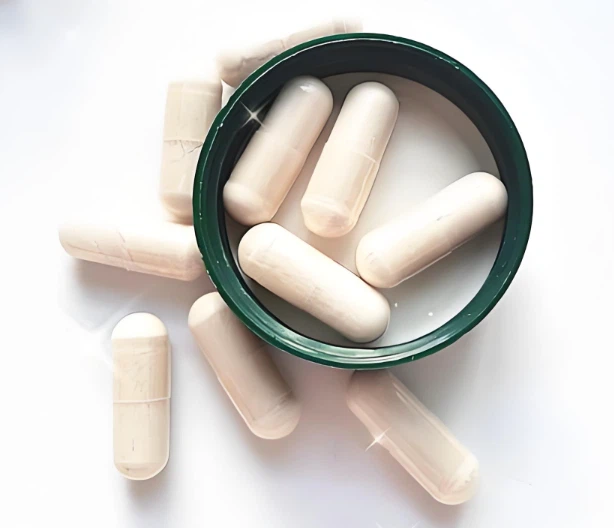

Hypromellose (HPMC) Capsules
Hypromellose, also known as hydroxypropyl methylcellulose, is a cellulose-based polymer that is commonly used in vegetarian and vegan hard capsules. It is derived from natural cellulose, which is found in plants.
- Properties: HPMC capsules are clear, tasteless, and odorless. They have good solubility and are compatible with a wide range of active ingredients.
- Advantages: HPMC capsules are suitable for vegetarians and vegans, as they are derived from plant sources. They are also less likely to cause allergic reactions compared to gelatin capsules.
- Applications: HPMC capsules are widely used in the nutraceutical and pharmaceutical industries for the encapsulation of vitamins, minerals, herbal extracts, and other active ingredients.
Pullulan Capsules
Pullulan is a natural polysaccharide produced by the fermentation of starch. It is a biodegradable and edible polymer that is commonly used in vegetarian and vegan hard capsules.
- Properties: Pullulan capsules are clear, flexible, and have good oxygen and moisture barrier properties. They are also resistant to microbial growth.
- Advantages: Pullulan capsules are suitable for vegetarians and vegans, as they are derived from plant sources. They are also less likely to cause allergic reactions compared to gelatin capsules.
- Applications: Pullulan capsules are commonly used in the nutraceutical and pharmaceutical industries for the encapsulation of sensitive ingredients, such as probiotics and enzymes.
Other Components in Hard Capsules
In addition to the main capsule shell material, hard capsules may also contain other components to improve their performance and stability.
Plasticizers
Plasticizers are added to the capsule shell material to increase its flexibility and reduce brittleness. Common plasticizers used in hard capsules include glycerin, sorbitol, and polyethylene glycol.
Opacifiers
Opacifiers are added to the capsule shell material to make it opaque and prevent light from reaching the contents. This is important for protecting light-sensitive active ingredients. Common opacifiers used in hard capsules include titanium dioxide and iron oxides.
Colorants
Colorants are added to the capsule shell material to make it more visually appealing and to help with product identification. Common colorants used in hard capsules include natural and synthetic dyes.
Our Hard Capsules Products
As a hard capsules supplier, we offer a wide range of high-quality hard capsules to meet the diverse needs of our customers. Our products include:
- Magnesium Glycinate Complex Capsules: These capsules are formulated with magnesium glycinate, a highly bioavailable form of magnesium, to support healthy muscle function, energy production, and bone health.
- Hyaluronic Acid Capsules: Hyaluronic acid is a natural substance that helps to keep the skin hydrated and plump. These capsules are designed to support skin health and reduce the appearance of fine lines and wrinkles.
- Quercetin Capsule: Quercetin is a flavonoid with antioxidant and anti-inflammatory properties. These capsules are formulated to support immune health and reduce the risk of chronic diseases.
Contact Us for Purchasing
If you are interested in purchasing our hard capsules or have any questions about our products, please feel free to contact us. We are committed to providing our customers with the highest quality products and excellent customer service. Our team of experts is available to assist you with product selection, customization, and technical support.
References
- Ghosh, S., & Jain, S. K. (2016). Hard gelatin capsules: A review. International Journal of Pharmaceutical Sciences and Nanotechnology, 9(1), 1-10.
- Rowe, R. C., Sheskey, P. J., & Quinn, M. E. (Eds.). (2012). Handbook of pharmaceutical excipients. Pharmaceutical Press.
- Singh, B., & Panda, S. (2018). Vegetarian capsules: An overview. International Journal of Pharmaceutical Sciences and Research, 9(10), 4333-4340.


