


Antarctic krill meal has gained significant attention in the field of animal nutrition due to its potential impact on muscle development. As a supplier of high - quality Antarctic krill meal, I have witnessed firsthand the growing interest from farmers, aquaculturists, and pet food manufacturers in understanding how this unique ingredient can contribute to the muscle growth and overall health of animals.
Nutritional Composition of Antarctic Krill Meal
Antarctic krill (Euphausia superba) is a small, shrimp - like crustacean that thrives in the cold waters of the Antarctic Ocean. Krill meal is produced by grinding and processing these krill, resulting in a nutrient - rich powder.
One of the key components of Antarctic krill meal is protein. Protein is the building block of muscles, and the protein in krill meal is of high biological value. It contains all the essential amino acids in well - balanced proportions, which are necessary for muscle protein synthesis. Amino acids such as leucine, isoleucine, and valine, known as branched - chain amino acids (BCAAs), play a crucial role in stimulating muscle growth and repair.
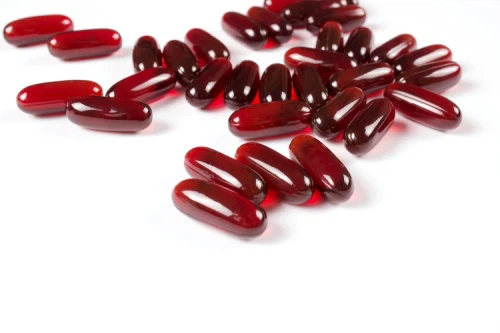
In addition to protein, Antarctic krill meal is rich in lipids. These lipids are a source of omega - 3 fatty acids, including eicosapentaenoic acid (EPA) and docosahexaenoic acid (DHA). Omega - 3 fatty acids have anti - inflammatory properties, which can reduce muscle inflammation and soreness after exercise or physical activity in animals. This reduction in inflammation allows for more efficient muscle recovery and growth. You can learn more about the benefits of omega - 3 fatty acids from krill in our Omega3 Krill Oil product page.
Astaxanthin is another important nutrient found in Antarctic krill meal. It is a powerful antioxidant that gives krill its pinkish - red color. Astaxanthin helps protect muscle cells from oxidative stress, which can damage muscle fibers and impede muscle development. The antioxidant properties of astaxanthin also support the overall health of animals, which is essential for optimal muscle growth. For more information on astaxanthin in krill, visit our Astaxanthin Krill Oil page.
Mechanisms of Action on Muscle Development
Stimulation of Muscle Protein Synthesis
The high - quality protein in Antarctic krill meal provides the necessary amino acids for muscle protein synthesis. When animals consume krill meal, the amino acids are absorbed into the bloodstream and transported to the muscle cells. Once in the muscle cells, these amino acids are used to build new muscle proteins. Leucine, in particular, activates a signaling pathway called the mammalian target of rapamycin (mTOR), which is a key regulator of muscle protein synthesis. By activating mTOR, leucine promotes the translation of messenger RNA (mRNA) into proteins, leading to an increase in muscle mass.
Reduction of Muscle Catabolism
Omega - 3 fatty acids in krill meal can help reduce muscle catabolism, which is the breakdown of muscle proteins. During periods of stress, such as intense exercise or illness, the body may break down muscle proteins to provide energy. The anti - inflammatory properties of omega - 3 fatty acids can counteract this catabolic process. By reducing inflammation, omega - 3 fatty acids help maintain the balance between muscle protein synthesis and breakdown, resulting in net muscle growth.
Improvement of Muscle Oxygenation
Astaxanthin in Antarctic krill meal has been shown to improve blood flow and oxygen delivery to the muscles. This increased oxygenation enhances muscle performance and endurance. When muscles receive more oxygen, they can work more efficiently, which is beneficial for muscle development. Additionally, improved oxygenation helps remove waste products, such as lactic acid, from the muscles, reducing muscle fatigue and allowing for more intense and prolonged exercise.
Evidence from Animal Studies
Numerous animal studies have investigated the impact of Antarctic krill meal on muscle development.
In aquaculture, studies on fish have shown that diets supplemented with krill meal can lead to increased muscle growth and improved fillet quality. For example, a study on Atlantic salmon found that fish fed a diet containing krill meal had higher muscle protein content and better muscle texture compared to those fed a control diet. The omega - 3 fatty acids in krill meal were also associated with a reduction in muscle lipid peroxidation, which is a measure of oxidative damage to the muscles.
In livestock, research on pigs has demonstrated that krill meal can enhance muscle development. Pigs fed diets supplemented with krill meal had increased muscle mass and improved feed conversion efficiency. The amino acids in krill meal were effectively utilized for muscle growth, and the anti - inflammatory and antioxidant properties of the meal contributed to overall better health and muscle development.
For pets, studies on dogs have shown that krill meal can support muscle maintenance and development, especially in active or senior dogs. The high - quality protein and omega - 3 fatty acids in krill meal help keep muscles strong and healthy, reducing the risk of muscle atrophy and improving mobility.
Practical Applications in Animal Nutrition
Aquaculture
In aquaculture, Antarctic krill meal can be used as a partial replacement for fishmeal in fish diets. Fishmeal is a common protein source in aquafeeds, but its supply is limited and expensive. Krill meal offers a sustainable and high - quality alternative. By incorporating krill meal into fish diets, aquaculturists can improve the growth and health of fish, leading to higher production yields and better - quality fish products.
Livestock
For livestock, such as pigs and poultry, krill meal can be added to the feed at appropriate levels. It can be used to enhance muscle development, improve meat quality, and increase feed efficiency. In addition, the anti - inflammatory and antioxidant properties of krill meal can help reduce the incidence of diseases in livestock, leading to lower mortality rates and better overall productivity.
Pet Food
In the pet food industry, Antarctic krill meal is increasingly being used in high - end pet food products. Pet owners are becoming more aware of the benefits of krill meal for their pets' health, especially for muscle development. Krill meal can be included in dry or wet pet food formulations to provide a source of high - quality protein, omega - 3 fatty acids, and astaxanthin. Our Krill Oil Softgel can also be used as a supplement for pets to support their muscle health.
Conclusion
Antarctic krill meal has a significant impact on the muscle development of animals through its rich nutritional composition and multiple mechanisms of action. The high - quality protein, omega - 3 fatty acids, and astaxanthin in krill meal work together to stimulate muscle protein synthesis, reduce muscle catabolism, and improve muscle oxygenation. Evidence from animal studies supports the use of krill meal in aquaculture, livestock, and pet food to enhance muscle growth and overall health.
If you are interested in incorporating Antarctic krill meal into your animal nutrition products, I encourage you to reach out to us. We are committed to providing high - quality Antarctic krill meal that meets the strictest quality and safety standards. Contact us to discuss your specific needs and start a partnership that will benefit your animals and your business.
References
- Olsen, R. E., & Hasan, M. R. (2012). The role of fish meal and fish oil in fish feed formulations. Aquaculture, 329(1 - 4), 1 - 9.
- Sargent, J. R., Tacon, A. G. J., & Tocher, D. R. (2002). The importance of fish oil - derived omega - 3 fatty acids for the health and survival of fish and humans. Aquaculture, 208(1 - 4), 101 - 113.
- Chew, B. P., & Park, Y. (2004). Astaxanthin in aquaculture. Aquaculture, 240(1 - 4), 381 - 391.
- Turchini, G. M., Torstensen, B. E., & Ng, W. K. (2009). Effects of fish oil replacement in finfish nutrition. Reviews in Fisheries Science, 17(2), 109 - 140.


