


When it comes to dietary supplements and medications, consumers are often faced with a choice between hard capsules and lozenges. As a hard capsules supplier, I've witnessed firsthand the unique characteristics of both forms and understand the factors that influence this decision. In this blog, I'll delve into a comprehensive comparison of hard capsules and lozenges, exploring their advantages, disadvantages, and suitability for different needs.
1. Physical Form and Composition
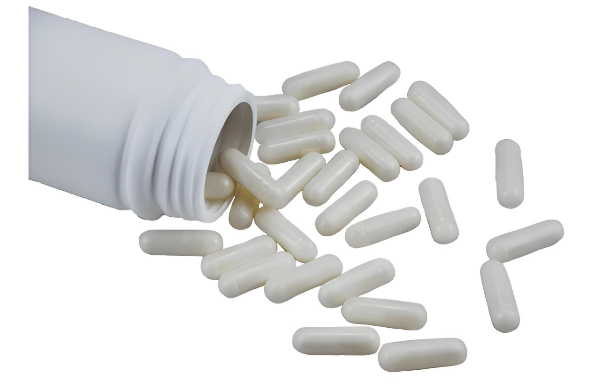
Hard capsules are typically made of gelatin or vegetarian alternatives like hypromellose. They consist of two halves that fit together, enclosing a powder, granules, or liquid fill. The fill can be a single ingredient or a blend of multiple substances, formulated to provide specific health benefits. For example, our Magnesium Glycinate Complex Capsules combine magnesium glycinate with other supportive nutrients to enhance absorption and utilization in the body.
Lozenges, on the other hand, are solid, medicated tablets that are designed to dissolve slowly in the mouth. They are usually made by compressing a mixture of active ingredients with a sweetening agent, flavoring, and a binder. The resulting product has a hard, candy - like texture. Lozenges are often used for throat soothing or to deliver medications that act locally in the oral cavity.
2. Absorption and Bioavailability
One of the key considerations in choosing between hard capsules and lozenges is how the body absorbs the active ingredients.
Hard Capsules
Once swallowed, hard capsules travel through the esophagus to the stomach. In the acidic environment of the stomach, the capsule shell dissolves, releasing the contents. The release of the active ingredients can be designed to be immediate or delayed, depending on the formulation. For instance, some capsules are enteric - coated to prevent dissolution in the stomach and ensure release in the small intestine, where absorption is often more efficient. This targeted release can enhance the bioavailability of certain ingredients. Our Hyaluronic Acid Capsules are formulated to optimize the absorption of hyaluronic acid, a substance that is important for skin health and joint function.
Lozenges
Lozenges work by dissolving in the mouth, allowing the active ingredients to be absorbed directly through the mucous membranes in the oral cavity. This can be beneficial for substances that need to act locally, such as throat - soothing agents or medications for oral infections. However, the absorption rate through the oral mucosa is generally slower and more limited compared to the absorption in the gastrointestinal tract. For systemic effects, the amount of active ingredient that reaches the bloodstream from a lozenge may be lower than that from a hard capsule.
3. Taste and Palatability
Taste is a significant factor for many consumers, especially when it comes to taking supplements or medications regularly.
Hard Capsules
Hard capsules are often preferred by those who are sensitive to the taste of the active ingredients. Since the contents are enclosed within the capsule shell, the taste is masked, and the capsule can be swallowed with water without any unpleasant flavor. This makes it easier for people to take capsules, even if the ingredients have a strong or bitter taste.
Lozenges
Lozenges are formulated with sweeteners and flavorings to make them more palatable. They come in a variety of flavors, such as cherry, lemon, or mint, which can make taking them a more enjoyable experience. However, some people may find the taste of certain lozenges too sweet or artificial, and the long - lasting dissolution in the mouth can be a drawback for those who prefer a quick intake.
4. Convenience and Portability
Convenience is another aspect to consider when choosing between hard capsules and lozenges.
Hard Capsules
Hard capsules are highly convenient and portable. They can be easily carried in a pill case or a small container, making them suitable for travel or use on - the - go. They require only water for ingestion, and there is no need for special storage conditions in most cases. Our Calcium Magnesium Capsule is a popular choice for consumers who want to maintain their calcium and magnesium intake while leading an active lifestyle.
Lozenges
Lozenges are also relatively portable, but they may require more attention during use. Since they need to be dissolved in the mouth, they cannot be taken as quickly as capsules, and they may not be suitable for situations where talking or eating is required immediately. Additionally, lozenges may be more prone to melting or sticking together in hot or humid conditions.
5. Dosage Accuracy
Accurate dosing is crucial for the effectiveness and safety of supplements and medications.
Hard Capsules
Hard capsules are typically filled with a precise amount of the active ingredients during the manufacturing process. This ensures that each capsule contains a consistent dosage, which is important for maintaining the desired therapeutic effect. The dosage can be easily adjusted by taking more or fewer capsules as recommended by a healthcare provider.
Lozenges
While lozenges also have a defined amount of active ingredients, the actual amount of substance that is absorbed can vary depending on how long the lozenge is held in the mouth and how well it dissolves. This can make it more challenging to achieve precise dosing, especially for medications that require a strict dosage regimen.
6. Shelf Life and Stability
The shelf life and stability of the product are important factors for both consumers and suppliers.
Hard Capsules
Hard capsules generally have a longer shelf life compared to lozenges. The capsule shell provides a protective barrier against moisture, oxygen, and light, which can degrade the active ingredients. When stored properly, capsules can maintain their potency for an extended period. However, some capsules may be sensitive to high humidity, which can cause the capsule shell to become soft or sticky.
Lozenges
Lozenges are more vulnerable to environmental factors, such as heat, humidity, and light. The sweetening agents and flavorings in lozenges can attract moisture, leading to changes in texture and potentially reducing the stability of the active ingredients. As a result, lozenges may have a shorter shelf life and require more careful storage.
7. Suitability for Different Conditions
The choice between hard capsules and lozenges also depends on the specific health condition or purpose.
Hard Capsules
Hard capsules are suitable for a wide range of applications, including delivering vitamins, minerals, herbal extracts, and medications for systemic effects. They are often used for supplements that need to be absorbed in the gastrointestinal tract to provide overall health benefits. For example, capsules are commonly used for multivitamins, fish oil supplements, and probiotics.

Lozenges
Lozenges are most commonly used for throat - related issues, such as sore throats, coughs, and oral infections. They can also be used for delivering medications that act locally in the mouth, such as antiseptics or pain relievers. However, they are not the first choice for conditions that require a high systemic dose of a substance.
Conclusion
In conclusion, both hard capsules and lozenges have their own unique advantages and disadvantages. Hard capsules offer better taste masking, higher bioavailability for systemic effects, more accurate dosing, and greater convenience in many cases. Lozenges, on the other hand, are ideal for local action in the oral cavity and can be more palatable for some consumers.
As a hard capsules supplier, I understand the importance of providing high - quality products that meet the diverse needs of consumers. Our range of hard capsules, including Magnesium Glycinate Complex Capsules, Hyaluronic Acid Capsules, and Calcium Magnesium Capsule, are formulated with the latest technology to ensure optimal absorption and effectiveness.
If you are interested in sourcing high - quality hard capsules for your business or personal use, I invite you to contact us for a procurement discussion. We are committed to providing customized solutions and excellent customer service.
References
- "Pharmaceutics: The Science of Dosage Form Design" by Michael E. Aulton and Kevin M. G. Taylor.
- "Ansel's Pharmaceutical Dosage Forms and Drug Delivery Systems" by Loyd V. Allen Jr., Howard C. Ansel, and Nicholas G. Popovich.
- Research articles on the absorption and bioavailability of different dosage forms from scientific journals such as the Journal of Pharmaceutical Sciences.


