


As a provider of high - quality health supplements, I often get asked about the effectiveness of different products. One question that has been coming up a lot lately is whether Astaxanthin Softgel can improve heart function. In this blog post, I'll delve into the scientific research surrounding this topic and share my insights based on my experience in the industry.
What is Astaxanthin?
Astaxanthin is a powerful antioxidant that belongs to the carotenoid family. It is naturally found in certain marine plants and animals, such as algae, krill, and salmon. This compound is responsible for the pinkish - red color of these organisms. Astaxanthin is known for its exceptional antioxidant properties, which are far superior to other well - known antioxidants like vitamin C, vitamin E, and beta - carotene.

The Importance of Heart Function
The heart is one of the most vital organs in the human body. It pumps blood throughout the body, delivering oxygen and nutrients to cells and removing waste products. Maintaining good heart function is crucial for overall health and longevity. Heart disease is one of the leading causes of death worldwide, and factors such as high blood pressure, high cholesterol, oxidative stress, and inflammation can all contribute to its development.
How Astaxanthin May Improve Heart Function
Antioxidant Protection
Oxidative stress occurs when there is an imbalance between the production of free radicals and the body's ability to neutralize them. Free radicals are unstable molecules that can damage cells, including those in the heart. Astaxanthin's potent antioxidant properties allow it to scavenge free radicals, reducing oxidative stress in the cardiovascular system. By protecting heart cells from oxidative damage, astaxanthin may help maintain normal heart function.
Anti - Inflammatory Effects
Inflammation is another key factor in the development of heart disease. Chronic inflammation can lead to the buildup of plaque in the arteries, narrowing them and increasing the risk of heart attacks and strokes. Astaxanthin has been shown to have anti - inflammatory effects. It can inhibit the production of inflammatory cytokines and reduce the activation of immune cells involved in the inflammatory response. This anti - inflammatory action may contribute to a healthier cardiovascular system.
Blood Pressure Regulation
High blood pressure is a major risk factor for heart disease. Some studies suggest that astaxanthin may help regulate blood pressure. It can improve the function of blood vessels by promoting vasodilation, which is the widening of blood vessels. This allows blood to flow more easily through the arteries, reducing the pressure on the heart.
Cholesterol Management
Cholesterol, especially low - density lipoprotein (LDL) cholesterol, can contribute to the formation of plaque in the arteries. Astaxanthin may help manage cholesterol levels by reducing the oxidation of LDL cholesterol. Oxidized LDL cholesterol is more likely to be taken up by cells in the artery walls, leading to plaque formation. By preventing this oxidation, astaxanthin may help keep cholesterol levels in check and reduce the risk of heart disease.
Scientific Evidence
Numerous scientific studies have investigated the potential benefits of astaxanthin for heart health. For example, a randomized, double - blind, placebo - controlled trial found that participants who took astaxanthin supplements for 12 weeks experienced significant improvements in blood pressure and antioxidant status compared to those who took a placebo. Another study showed that astaxanthin supplementation reduced markers of inflammation in patients with metabolic syndrome, a condition associated with an increased risk of heart disease.
However, it's important to note that while these studies are promising, more research is needed to fully understand the long - term effects of astaxanthin on heart function and to determine the optimal dosage for maximum benefit.
Our Astaxanthin Softgel Product
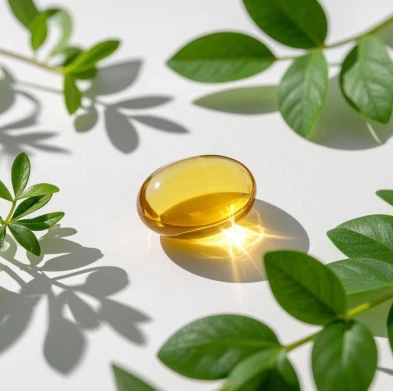
As a supplier of Astaxanthin Softgel, we take pride in offering a high - quality product. Our Astaxanthin Softgel is formulated to provide a concentrated dose of pure astaxanthin, ensuring maximum efficacy. The softgel form makes it easy to swallow and is designed for optimal absorption in the body.
In addition to our Astaxanthin Softgel, we also offer other health supplements such as Evening Primrose Softgel Capsule and Conjugated Linoleic Acid Softgels. These products are all developed with the same commitment to quality and effectiveness.
Conclusion
Based on the current scientific evidence, there is a strong possibility that Astaxanthin Softgel can improve heart function. Its antioxidant, anti - inflammatory, blood pressure - regulating, and cholesterol - managing properties all suggest potential benefits for the cardiovascular system. However, it's important to remember that supplements should not replace a healthy lifestyle. Eating a balanced diet, getting regular exercise, and managing stress are also essential for maintaining good heart health.
If you're interested in learning more about our Astaxanthin Softgel or other supplements we offer, or if you're considering placing an order for procurement, please feel free to reach out. We're here to answer any questions you may have and to assist you in finding the right products for your needs.
References
- Miller, A. J., & Belcher, J. D. (2014). Astaxanthin and cardiovascular health. Nutrients, 6(12), 5937 - 5955.
- Nishida, K., & Okuyama, H. (2015). Dietary antioxidants and heart disease. Antioxidants & Redox Signaling, 22(7), 587 - 606.
- Tanaka, T., & Terao, J. (2013). Astaxanthin: A potential therapeutic agent in the prevention of cardiovascular diseases. Marine Drugs, 11(11), 4380 - 4402.


