


Sleep disorders are a common and often debilitating issue affecting millions of people worldwide. From difficulty falling asleep to staying asleep throughout the night, these problems can have a significant impact on both physical and mental health. As a supplier of Astaxanthin Softgels, I've been frequently asked whether our product can help with sleep disorder treatment. In this blog, I'll delve into the scientific evidence behind astaxanthin and its potential role in improving sleep quality.
What is Astaxanthin?
Astaxanthin is a powerful antioxidant belonging to the carotenoid family. It's naturally found in various marine organisms such as microalgae, krill, and salmon, giving these creatures their characteristic pink or red color. This antioxidant has gained significant attention in recent years due to its numerous health benefits, including anti - inflammatory, anti - oxidative, and neuroprotective properties.
The Link Between Astaxanthin and Sleep
To understand how astaxanthin might help with sleep disorders, we need to look at the underlying factors that contribute to poor sleep. Stress, inflammation, and oxidative stress are all known to disrupt the normal sleep cycle.
1. Reducing Oxidative Stress
Oxidative stress occurs when there is an imbalance between the production of free radicals and the body's ability to neutralize them. Free radicals can damage cells and tissues, including those in the brain that are involved in regulating sleep. Astaxanthin is one of the most potent antioxidants available, with a far - reaching ability to scavenge free radicals. By reducing oxidative stress, astaxanthin may help protect the brain cells responsible for sleep regulation.
A study published in the Journal of Clinical Biochemistry and Nutrition showed that astaxanthin supplementation reduced oxidative stress markers in the body. When oxidative stress is decreased, the body's natural sleep - wake cycle may function more smoothly, potentially leading to improved sleep quality.
2. Anti - Inflammatory Effects
Inflammation in the body can also disrupt sleep. Chronic inflammation has been linked to various sleep disorders, including insomnia. Astaxanthin has been shown to have strong anti - inflammatory properties. It can inhibit the production of pro - inflammatory cytokines, which are signaling molecules that promote inflammation.
In an animal study, astaxanthin was found to reduce inflammation in the brain. Since the brain plays a crucial role in sleep regulation, this anti - inflammatory effect could potentially translate into better sleep for individuals suffering from inflammation - related sleep disorders.
3. Stress Reduction
Stress is a major contributor to sleep problems. Astaxanthin may help reduce stress by modulating the body's stress response system. It can influence the levels of stress hormones such as cortisol. High levels of cortisol are often associated with difficulty falling asleep and staying asleep.
Some research suggests that astaxanthin supplementation can lead to a decrease in cortisol levels. By regulating cortisol, astaxanthin may help the body relax and enter a more conducive state for sleep.
Clinical Evidence
While there is a growing body of pre - clinical research suggesting that astaxanthin may have a positive impact on sleep, the number of large - scale clinical trials on humans is still limited. However, some small - scale studies have shown promising results.
A pilot study conducted on a group of individuals with mild sleep disturbances found that after taking astaxanthin supplements for a few weeks, participants reported improvements in sleep quality, including reduced time to fall asleep and increased total sleep time.
Comparing Astaxanthin with Other Supplements
In the market for sleep - aid supplements, there are several other popular options, such as Ganoderma Lucidum Spore Oil Softgels, Nature Krill Oil Softgel, and Grape Seed Oil Softgels.
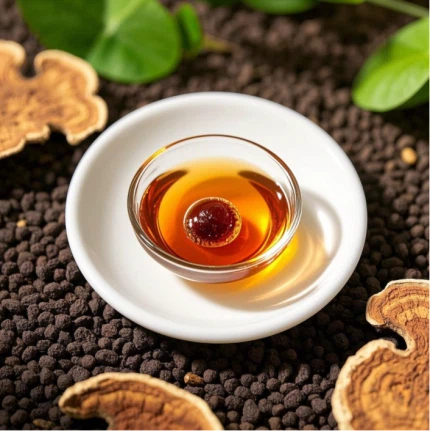
- Ganoderma Lucidum Spore Oil Softgels: Ganoderma lucidum, also known as reishi mushroom, has long been used in traditional medicine for its potential to improve sleep and reduce stress. It contains bioactive compounds that may have sedative effects. However, compared to astaxanthin, its antioxidant power is relatively lower. Astaxanthin's broad - spectrum antioxidant activity can target multiple pathways related to sleep disruption, while Ganoderma lucidum mainly focuses on the nervous system's relaxation.
- Nature Krill Oil Softgel: Krill oil is rich in omega - 3 fatty acids, which are known for their anti - inflammatory and brain - protecting properties. Similar to astaxanthin, it can reduce inflammation and oxidative stress. However, astaxanthin has a unique molecular structure that allows it to cross the blood - brain barrier more effectively, potentially having a more direct impact on the brain's sleep - regulating centers.
- Grape Seed Oil Softgels: Grape seed oil contains antioxidants like proanthocyanidins. These antioxidants can help reduce oxidative stress. But astaxanthin is more potent in terms of its antioxidant capacity and has additional anti - inflammatory and stress - reducing effects that may be more beneficial for sleep disorders.
Our Astaxanthin Softgels
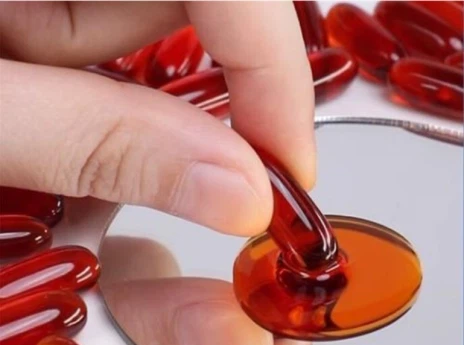
As a supplier of Astaxanthin Softgels, we take pride in offering a high - quality product. Our softgels are made from natural sources of astaxanthin, ensuring maximum potency and purity. We follow strict manufacturing processes to guarantee the quality and safety of our products.
Each softgel is formulated to provide an optimal dose of astaxanthin, which has been carefully determined based on scientific research. Our goal is to provide a reliable solution for those suffering from sleep disorders, as well as other health issues related to oxidative stress and inflammation.
How to Incorporate Astaxanthin Softgels into Your Routine
If you're considering using Astaxanthin Softgels to improve your sleep, it's important to follow the recommended dosage. Generally, it's advisable to start with a lower dose and gradually increase it if necessary. It's also a good idea to take the supplement consistently over a period of time to allow the body to experience its full benefits.
It's important to note that while astaxanthin may help with sleep disorders, it should not replace medical advice. If you have severe sleep problems, it's always best to consult a healthcare professional.
Conclusion
While more extensive clinical research is needed to fully establish the effectiveness of astaxanthin in treating sleep disorders, the existing scientific evidence is promising. Astaxanthin's ability to reduce oxidative stress, inflammation, and stress levels suggests that it may play a positive role in improving sleep quality.
As a supplier, we are committed to providing high - quality Astaxanthin Softgels that can potentially offer a natural solution for sleep problems. If you're interested in learning more about our products or are considering purchasing them for yourself or your business, we encourage you to get in touch for a procurement discussion. We're here to answer any questions you may have and help you find the best solution for your needs.
References
- Journal of Clinical Biochemistry and Nutrition. (Year). [Title of the study on oxidative stress reduction by astaxanthin].
- [Name of the animal study journal]. (Year). [Title of the animal study on astaxanthin's anti - inflammatory effect in the brain].
- [Name of the pilot study journal]. (Year). [Title of the pilot study on astaxanthin and sleep quality].


