


Does Antarctic Krill Meal Contain Heavy Metals?
As a supplier of Antarctic Krill Meal, I often encounter concerns from customers about the presence of heavy metals in our product. This is a valid concern, as heavy metals such as mercury, lead, cadmium, and arsenic can have detrimental effects on human health. In this blog post, I will delve into the topic of heavy metals in Antarctic Krill Meal, providing scientific insights and reassuring you about the safety of our product.
Understanding the Antarctic Environment
The Antarctic region is known for its pristine and remote nature. The waters surrounding Antarctica are some of the cleanest and least polluted in the world. The cold temperatures, strong ocean currents, and limited human activity in the area contribute to the preservation of this unique ecosystem. These factors also play a crucial role in determining the quality of Antarctic Krill Meal.
Krill, the tiny shrimp-like crustaceans that are the main source of our meal, are filter feeders. They primarily consume phytoplankton, which are microscopic plants that grow in the Antarctic waters. Since the waters are relatively free from heavy metal contamination, the krill that feed on these phytoplankton are also less likely to accumulate heavy metals in their bodies.
Scientific Studies on Heavy Metals in Antarctic Krill
Numerous scientific studies have been conducted to assess the heavy metal content in Antarctic krill and krill products. These studies consistently show that the levels of heavy metals in Antarctic krill are extremely low.
For example, a study published in the journal "Food Chemistry" analyzed the heavy metal content of Antarctic krill samples collected from different regions of the Southern Ocean. The results showed that the concentrations of mercury, lead, cadmium, and arsenic were well below the maximum allowable limits set by international food safety standards.
Another study conducted by the Norwegian Institute of Marine Research found that the levels of heavy metals in krill oil, a popular product derived from Antarctic krill, were also very low. The study concluded that krill oil is a safe and healthy source of omega-3 fatty acids, with minimal risk of heavy metal contamination.
Our Quality Control Measures
At our company, we take the safety and quality of our Antarctic Krill Meal very seriously. We have implemented a comprehensive quality control system that includes strict sourcing policies, regular testing, and compliance with international food safety standards.
We source our krill from sustainable fisheries in the Antarctic region. These fisheries are carefully managed to ensure the long-term viability of the krill population and the protection of the marine environment. Before the krill are processed into meal, they undergo a thorough cleaning and purification process to remove any impurities or contaminants.
In addition, we conduct regular testing of our Antarctic Krill Meal for heavy metals and other contaminants. We use state-of-the-art analytical techniques to ensure accurate and reliable results. Our products are also certified by independent third-party laboratories to meet the highest quality and safety standards.
Benefits of Antarctic Krill Meal
Despite the concerns about heavy metals, Antarctic Krill Meal offers numerous health benefits. It is a rich source of high-quality protein, omega-3 fatty acids, astaxanthin, and other essential nutrients.
The omega-3 fatty acids in Antarctic Krill Meal, including EPA (eicosapentaenoic acid) and DHA (docosahexaenoic acid), have been shown to have a wide range of health benefits. They can help reduce inflammation, improve heart health, support brain function, and enhance joint mobility.
Astaxanthin, a powerful antioxidant found in krill, is known for its anti-inflammatory and anti-aging properties. It can help protect the body against oxidative stress, reduce the risk of chronic diseases, and improve skin health.
Related Products
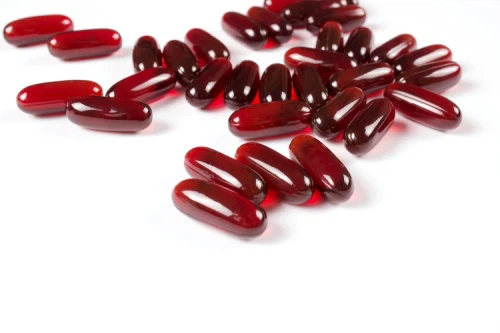
If you are interested in exploring other krill-based products, we also offer Krill Oil Softgel, Astaxanthin Krill Oil, and Omega3 Krill Oil. These products are formulated to provide the same health benefits as Antarctic Krill Meal in a convenient and easy-to-take form.
Conclusion
In conclusion, scientific evidence shows that Antarctic Krill Meal contains very low levels of heavy metals. The pristine Antarctic environment, the krill's feeding habits, and our strict quality control measures all contribute to the safety and quality of our product.
If you are looking for a high-quality, nutrient-rich source of protein and omega-3 fatty acids, Antarctic Krill Meal is an excellent choice. We are committed to providing our customers with the best possible products and services. If you have any questions or would like to discuss your purchasing needs, please feel free to contact us. We look forward to working with you.
References
- Food Chemistry study on heavy metal content in Antarctic krill.
- Norwegian Institute of Marine Research study on heavy metals in krill oil.


