


Royal jelly, a nutrient-rich secretion produced by worker bees, has long been revered for its potential health benefits. In recent years, royal jelly softgels have gained popularity as a convenient way to incorporate this natural substance into one's daily routine. As a supplier of royal jelly softgels, I often receive inquiries about the potential impact of these supplements on blood coagulation. In this blog post, I will explore the scientific evidence on this topic and provide insights for consumers.
Understanding Blood Coagulation
Blood coagulation, also known as blood clotting, is a complex physiological process that prevents excessive bleeding when a blood vessel is damaged. It involves a series of chemical reactions that result in the formation of a blood clot, which seals the wound and allows the body to repair itself. However, abnormal blood clotting can also lead to serious health problems, such as deep vein thrombosis, pulmonary embolism, and stroke.
Components of Royal Jelly
Royal jelly is a rich source of vitamins, minerals, proteins, and fatty acids. Some of the key components of royal jelly include:
- Proteins: Royal jelly contains several proteins, including major royal jelly proteins (MRJPs), which have been shown to have various biological activities, such as antioxidant, anti-inflammatory, and immunomodulatory effects.
- Vitamins and minerals: Royal jelly is a good source of vitamins B complex, vitamin C, and minerals such as calcium, iron, and zinc. These nutrients are essential for maintaining overall health and well-being.
- Fatty acids: Royal jelly contains a variety of fatty acids, including 10-hydroxy-2-decenoic acid (10-HDA), which is unique to royal jelly and has been shown to have antibacterial, antifungal, and anti-inflammatory properties.
Potential Impact on Blood Coagulation
While there is limited research on the direct impact of royal jelly softgels on blood coagulation, some studies have investigated the effects of royal jelly components on blood clotting factors. For example, a study published in the Journal of Agricultural and Food Chemistry found that 10-HDA, a major fatty acid in royal jelly, inhibited the activity of thrombin, an enzyme involved in blood clotting. Another study published in the International Journal of Molecular Sciences reported that MRJPs from royal jelly had anticoagulant effects in vitro.
However, it is important to note that these studies were conducted in vitro or on animal models, and the results may not necessarily translate to humans. More research is needed to determine the exact mechanism of action of royal jelly on blood coagulation and its potential effects in humans.
Safety Considerations
Royal jelly is generally considered safe for most people when taken in recommended doses. However, some individuals may be allergic to royal jelly and may experience allergic reactions such as itching, swelling, and difficulty breathing. In addition, royal jelly may interact with certain medications, such as blood thinners, and may increase the risk of bleeding. Therefore, it is important to consult with a healthcare provider before taking royal jelly softgels, especially if you have a history of bleeding disorders or are taking medications that affect blood clotting.
Other Health Benefits of Royal Jelly Softgels
In addition to its potential impact on blood coagulation, royal jelly softgels may offer several other health benefits, including:
- Antioxidant protection: Royal jelly contains antioxidants that help protect the body against oxidative stress and damage caused by free radicals.
- Anti-inflammatory effects: Some components of royal jelly, such as MRJPs and 10-HDA, have been shown to have anti-inflammatory properties, which may help reduce inflammation in the body.
- Immune system support: Royal jelly may help support the immune system by enhancing the activity of immune cells and promoting the production of antibodies.
- Skin health: Royal jelly has been used in traditional medicine for its potential benefits for skin health. It may help improve skin texture, reduce the appearance of wrinkles, and promote wound healing.
Conclusion
In conclusion, while there is limited research on the direct impact of royal jelly softgels on blood coagulation, some studies suggest that royal jelly components may have anticoagulant effects. However, more research is needed to determine the exact mechanism of action and the potential effects in humans. As a supplier of royal jelly softgels, I recommend that consumers consult with a healthcare provider before taking these supplements, especially if they have a history of bleeding disorders or are taking medications that affect blood clotting.
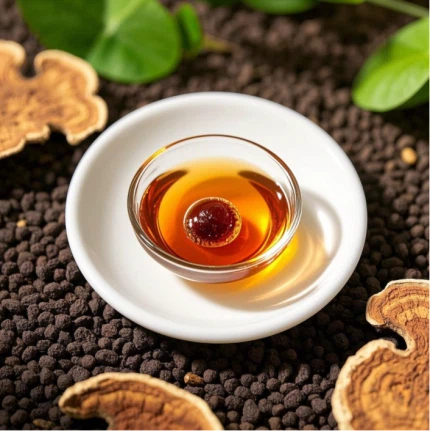
In addition to its potential impact on blood coagulation, royal jelly softgels may offer several other health benefits, such as antioxidant protection, anti-inflammatory effects, immune system support, and skin health. If you are interested in incorporating royal jelly softgels into your daily routine, I encourage you to explore our product range. We also offer other high-quality softgel supplements, such as Grape Seed Oil Softgels, Ganoderma Lucidum Spore Oil Softgels, and Fish Oil Softgels.

If you have any questions or would like to discuss purchasing our products, please feel free to contact us. We are committed to providing our customers with the best quality products and services, and we look forward to working with you.
References
- Koyama, K., et al. (2009). Anticoagulant activity of 10-hydroxy-2-decenoic acid, a major fatty acid in royal jelly. Journal of Agricultural and Food Chemistry, 57(17), 7983-7988.
- Wang, H., et al. (2018). Anticoagulant effects of major royal jelly proteins from Apis mellifera. International Journal of Molecular Sciences, 19(10), 3143.


