


Can Quercetin Capsule be taken by people with autoimmune diseases?
As a supplier of Quercetin Capsules, I often receive inquiries from customers, especially those with autoimmune diseases, about whether it's safe and beneficial for them to take our Quercetin Capsules. In this blog, I'll explore this topic in depth, presenting scientific evidence and considerations to help you make an informed decision.
Understanding Autoimmune Diseases
Autoimmune diseases occur when the body's immune system mistakenly attacks its own cells, tissues, and organs. There are more than 80 different types of autoimmune diseases, including rheumatoid arthritis, lupus, multiple sclerosis, and type 1 diabetes. These conditions can lead to a wide range of symptoms, such as inflammation, pain, fatigue, and organ damage.
What is Quercetin?
Quercetin is a flavonoid, a type of plant pigment with antioxidant and anti - inflammatory properties. It is found in many fruits, vegetables, grains, and herbs, such as apples, onions, berries, and green tea. Quercetin capsules are a convenient way to supplement this beneficial compound, especially for those who may not consume enough quercetin - rich foods in their diet.
Potential Benefits of Quercetin for Autoimmune Diseases
- Anti - inflammatory effects: Chronic inflammation is a hallmark of autoimmune diseases. Quercetin has been shown to inhibit the production of pro - inflammatory cytokines, such as tumor necrosis factor - alpha (TNF - α) and interleukin - 6 (IL - 6). By reducing inflammation, quercetin may help alleviate some of the symptoms associated with autoimmune diseases, such as pain and swelling.
- Antioxidant protection: Oxidative stress plays a role in the development and progression of autoimmune diseases. Quercetin's antioxidant properties can help neutralize free radicals, which are unstable molecules that can damage cells and contribute to inflammation. This antioxidant protection may help protect the body's tissues and organs from further damage.
- Immune modulation: Quercetin may also modulate the immune system. It can affect the function of immune cells, such as T - cells and B - cells, which are involved in the autoimmune response. By regulating the immune system, quercetin may help restore the balance between the immune system's attack and defense mechanisms.
Scientific Evidence
Several studies have investigated the potential benefits of quercetin in autoimmune diseases. For example, in animal studies, quercetin has been shown to reduce inflammation and improve symptoms in models of rheumatoid arthritis and lupus. In human studies, some small - scale trials have reported that quercetin supplementation may improve markers of inflammation and oxidative stress in patients with autoimmune diseases. However, more large - scale, well - designed clinical trials are needed to confirm these findings and establish the optimal dosage and duration of quercetin supplementation for autoimmune diseases.
Considerations and Precautions
- Interaction with medications: People with autoimmune diseases often take medications to manage their condition. Quercetin may interact with certain medications, such as immunosuppressants and blood thinners. It's important for patients to consult their healthcare provider before starting quercetin supplementation to avoid potential drug interactions.
- Individual response: The response to quercetin supplementation can vary from person to person. Some individuals may experience significant benefits, while others may not notice any changes. It's also possible that some people may have an allergic reaction to quercetin.
- Quality of supplements: Not all quercetin capsules are created equal. When choosing a quercetin supplement, it's important to select a high - quality product from a reputable manufacturer. Look for products that have been tested for purity and potency.
Other Related Supplements
In addition to quercetin capsules, there are other supplements that may also be beneficial for people with autoimmune diseases. For example, Nature Made Turmeric Capsules contain curcumin, a compound with powerful anti - inflammatory properties. Calcium Magnesium Capsule can help maintain bone health, which is often a concern for people with autoimmune diseases. And Magnesium Glycinate Complex Capsules may help with muscle relaxation and energy production.
Conclusion
In conclusion, quercetin capsules may offer potential benefits for people with autoimmune diseases due to their anti - inflammatory, antioxidant, and immune - modulating properties. However, more research is needed to fully understand its effectiveness and safety in this population. If you have an autoimmune disease and are considering taking quercetin capsules, it's crucial to consult your healthcare provider first.

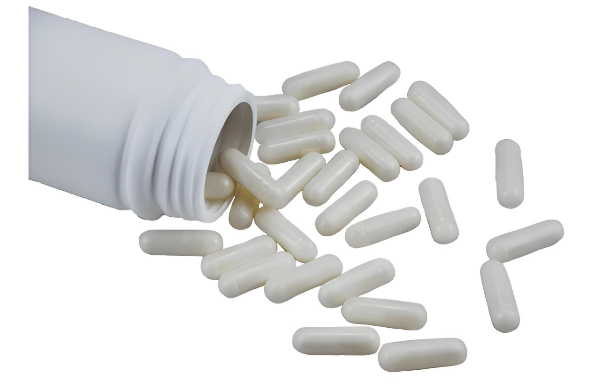
As a supplier of high - quality Quercetin Capsules, we are committed to providing products that meet the highest standards of quality and safety. If you are interested in purchasing our Quercetin Capsules or have any questions about our products, we encourage you to contact us for further discussion and potential procurement. We look forward to the opportunity to work with you and contribute to your health and well - being.
References
- Cos, P., De Bruyne, T., & Pieters, L. (2004). Anti - inflammatory effects of flavonoids: genistein, kaempferol, quercetin, and daidzein inhibit STAT - 1 and NF - kappa B activations, whereas flavone, isorhamnetin, naringenin, and pelargonidin inhibit only NF - kappa B activation along with their inhibitory effect on iNOS expression and NO production in activated macrophages. Journal of medicinal food, 7(3), 369 - 379.
- Shukla, Y., & Gupta, S. (2010). Role of dietary flavonoids in cancer and inflammatory diseases. Nutrition and cancer, 62(5), 578 - 592.
- Scapagnini, G., Rizzarelli, E., & Calabrese, V. (2008). Quercetin: a flavonoid antioxidant with potential therapeutic applications. Current drug metabolism, 9(9), 837 - 847.


