


Can hard capsules be customized in terms of size?
As a seasoned supplier of hard capsules, I often encounter inquiries regarding the customization of capsule sizes. The short answer is yes, hard capsules can indeed be customized in terms of size, and this flexibility offers numerous benefits for both manufacturers and end - users.
Understanding Hard Capsules
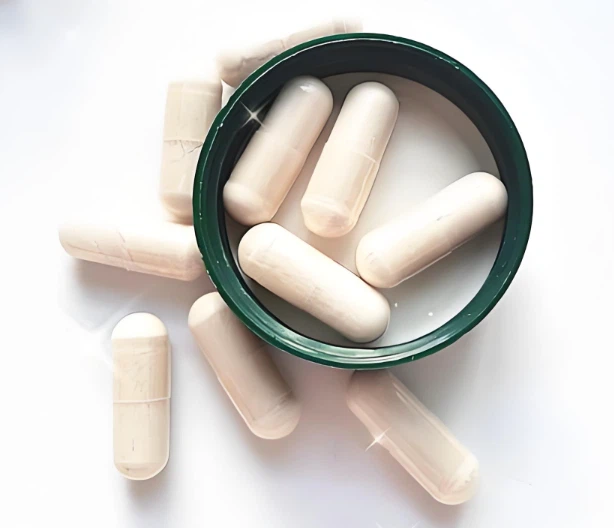
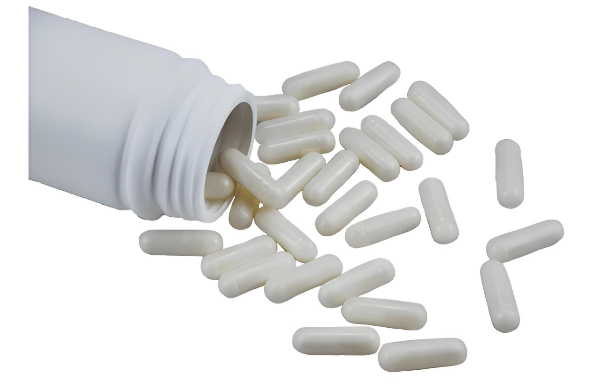
Hard capsules are a popular dosage form in the pharmaceutical, nutraceutical, and cosmetic industries. They are typically made from gelatin or vegetarian materials such as hydroxypropyl methylcellulose (HPMC). These capsules consist of two parts: a body and a cap, which fit together to enclose the active ingredients.
The standard sizes of hard capsules range from size 5 (the smallest) to size 000 (the largest). Each size has a specific volume capacity, which is designed to accommodate different amounts of powder, granules, or pellets. For example, size 5 capsules can hold approximately 0.13 ml of powder, while size 000 capsules can hold up to 1.37 ml.
Reasons for Size Customization
1. Product - Specific Requirements
Different products have different dosing requirements. Some active ingredients may require a larger amount to be effective, while others may be potent and need only a small dose. For instance, a dietary supplement like Magnesium Glycinate Complex Capsules might need a larger capsule size if the recommended daily dose is relatively high. On the other hand, a highly concentrated herbal extract could be encapsulated in a smaller size capsule.
2. Patient Compliance
The size of the capsule can significantly impact patient compliance. For patients who have difficulty swallowing large pills, a smaller capsule size can make it easier for them to take their medication or supplements. This is especially important for pediatric and geriatric patients. Conversely, if the product is designed for animals, the size can be adjusted according to the species and the amount of the active ingredient needed.
3. Branding and Marketing
Custom - sized capsules can also be used as a branding and marketing tool. A unique capsule size can make a product stand out on the shelf, differentiating it from competitors. This can enhance brand recognition and potentially increase sales.
The Customization Process
1. Design and Specification
The first step in customizing hard capsule sizes is to determine the exact specifications. This includes the length, diameter, and wall thickness of the capsule. These parameters are crucial as they affect the capsule's appearance, functionality, and the amount of product it can hold. Our team of experts works closely with clients to understand their specific needs and develop a design that meets their requirements.
2. Tooling and Manufacturing
Once the design is finalized, the next step is to create the necessary tooling. This involves making molds and dies that are used to produce the custom - sized capsules. Manufacturing custom - sized capsules requires specialized equipment and expertise. Our state - of - the - art manufacturing facilities are equipped with the latest technology to ensure high - quality production.
3. Quality Control
Quality control is an integral part of the customization process. We conduct rigorous testing at every stage of production to ensure that the custom - sized capsules meet the highest standards. This includes testing for dimensions, strength, and dissolution rate. Only after passing these tests are the capsules approved for use.
Examples of Custom - Sized Capsules in the Market
There are many examples of custom - sized capsules in the market. Quercetin Capsule products may come in various sizes depending on the concentration of quercetin and the recommended dosage. Similarly, Hyaluronic Acid Capsules can be customized to suit different consumer needs.
Challenges in Size Customization
While customizing hard capsule sizes offers many advantages, it also presents some challenges.
1. Cost
Customization can be more expensive than using standard - sized capsules. The cost of tooling, which is required to produce custom sizes, can be significant. However, for large - scale production, the cost per unit can be reduced over time.
2. Lead Time
The lead time for custom - sized capsules is generally longer than for standard sizes. This is because of the additional steps involved in the design, tooling, and testing processes. It is important for clients to plan ahead and factor in the longer lead time when ordering custom - sized capsules.
3. Regulatory Compliance
Custom - sized capsules must comply with all relevant regulatory requirements. This includes ensuring that the capsules are safe for consumption and that the labeling accurately reflects the contents. Our team has extensive experience in navigating these regulatory requirements to ensure that our clients' products meet all necessary standards.
Conclusion
In conclusion, hard capsules can be customized in terms of size, and this offers a range of benefits for manufacturers and consumers. Whether it's to meet product - specific requirements, improve patient compliance, or enhance branding, custom - sized capsules are a viable option. At our company, we have the expertise and facilities to provide high - quality custom - sized hard capsules.
If you are interested in custom - sized hard capsules for your product, we invite you to contact us for a consultation. Our team of professionals will work with you to understand your needs and provide a solution that meets your expectations. We look forward to the opportunity to partner with you and help you bring your product to market.
References
- Pharmaceutical Dosage Forms: Tablets, Volume 1, Third Edition, edited by Herbert A. Lieberman, Leon Lachman, and Joseph B. Schwartz.
- Remington: The Science and Practice of Pharmacy, 22nd Edition, edited by Patrick B. Troy.
- Handbook of Pharmaceutical Excipients, 7th Edition, edited by Ray C. Rowe, Paul J. Sheskey, and Marian E. Quinn.


