


Can Antarctic Krill be Used in the Pharmaceutical Industry?
Hey there, folks! I'm an Antarctic krill supplier, and I've been diving deep into the world of these tiny yet mighty creatures. Today, I want to chat with you about whether Antarctic krill can find its place in the pharmaceutical industry.
First things first, let's get to know these little guys a bit. Antarctic krill, those small shrimp - like crustaceans, are a vital part of the Antarctic ecosystem. They're super abundant down there in the cold waters around Antarctica. You might wonder, why would anyone think they could be used in medicine? Well, there are a few key reasons.
One of the most significant things about Antarctic krill is its rich nutrient content. Krill are loaded with high - quality proteins. High protein is essential for building and repairing tissues in our bodies. When we're talking about pharmaceuticals, proteins can be used for various purposes. For example, they can be involved in creating antibodies or enzymes used in medical treatments. That's why our High Protein Krill Powder could potentially be a goldmine for the pharmaceutical field. This powder is a concentrated source of those valuable proteins, and it could be used to develop drugs that target muscle - wasting diseases or help with post - surgery recovery.
Then there's the famous omega - 3 fatty acids. Antarctic krill is a great source of these healthy fats, especially EPA (eicosapentaenoic acid) and DHA (docosahexaenoic acid). These omega - 3s have been linked to a whole bunch of health benefits. In the pharmaceutical industry, they're of great interest. EPA and DHA have anti - inflammatory properties. Inflammation is at the root of many diseases, like arthritis, heart disease, and even some types of cancer. Drugs that can reduce inflammation are in high demand, and the omega - 3s from krill could be used to develop such medications.
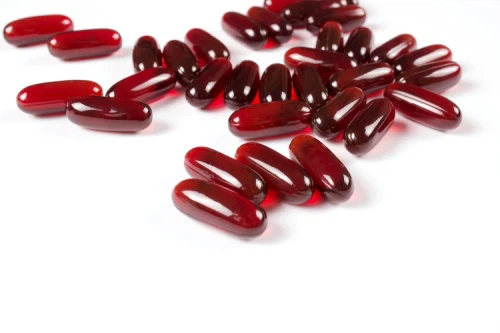
We also have Krill Oil Microcapsule Powder and Krill Oil Softgel. These products are a convenient way to deliver the omega - 3s from krill. The microcapsule powder can be easily incorporated into different pharmaceutical formulations, like capsules or tablets. And the softgels are a popular choice for consumers who want to take their omega - 3 supplements. In the pharmaceutical world, these forms could be used to create drugs that are easy to administer and have a high bioavailability, which means the body can absorb the nutrients more effectively.
Another aspect is the antioxidants in Antarctic krill. Astaxanthin is one of the powerful antioxidants found in these little critters. Antioxidants are important because they help protect our cells from damage caused by free radicals. Free radicals are unstable molecules that can lead to oxidative stress, which in turn is associated with aging and many diseases. Pharmaceutical companies are always on the lookout for antioxidants that can be used in drugs to prevent or treat conditions related to oxidative stress, such as Alzheimer's disease or certain eye problems.
Now, there are some challenges when it comes to using Antarctic krill in the pharmaceutical industry. One of the main issues is the sustainable sourcing. We need to make sure that we're not over - harvesting the krill and disrupting the delicate Antarctic ecosystem. Fortunately, there are strict regulations in place to manage the krill fishery. As a responsible supplier, we adhere to these regulations to ensure a long - term and sustainable supply of high - quality krill products.
Another challenge is the extraction and purification process. We need to ensure that the pharmaceutical - grade krill products are free from contaminants. The cold waters of Antarctica are relatively clean, but there's still a need for rigorous purification steps to meet the high standards of the pharmaceutical industry. This involves advanced techniques to remove any potential heavy metals, pesticides, or other impurities.

Despite these challenges, the potential of Antarctic krill in the pharmaceutical industry is huge. There have already been some studies and early - stage developments. Some research has shown that krill oil can have positive effects on lipid levels in the blood, which is important for preventing heart disease. And as more studies are conducted, we're likely to discover even more applications for krill in medicine.
If you're in the pharmaceutical industry and are interested in exploring the use of Antarctic krill in your products, I'd love to have a chat with you. We can sit down and discuss how our high - quality krill products, such as the High Protein Krill Powder, Krill Oil Microcapsule Powder, and Krill Oil Softgel, could fit into your development plans. Whether you're working on new drug formulations or supplements, we're here to support you with a reliable and sustainable supply.
So, don't hesitate to reach out if you want to start a conversation about how we can collaborate in this exciting field. Together, we can unlock the full potential of Antarctic krill for the pharmaceutical industry.
References
- Elias, C. A., & Budge, S. M. (2005). The trophic role of lipid in Antarctic krill Euphausia superba and its significance for higher trophic levels. Marine Ecology Progress Series, 297, 291 - 303.
- Russo, G. L., & De Caterina, R. (2018). n - 3 fatty acids in inflammation and autoimmune diseases. Nature Reviews Rheumatology, 14(2), 113 - 125.
- Shimidzu, K., & Hori, H. (2019). Antioxidant and anti - inflammatory properties of astaxanthin. Nutrients, 11(11), 2731.


