


Hey there! I'm an Antarctic krill supplier, and I've been getting a lot of questions lately about whether Antarctic krill can be farmed. So, I thought I'd sit down and write a blog post to share what I know.
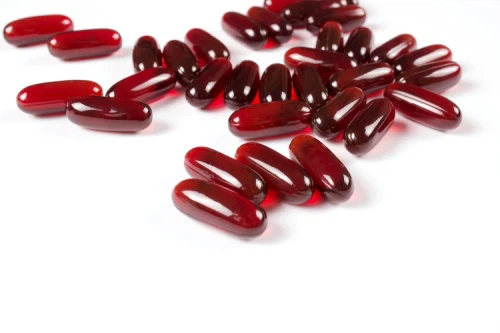
First off, let's talk a bit about Antarctic krill. These little guys are super important in the Southern Ocean ecosystem. They're like the base of the food chain down there. Whales, seals, penguins, and a whole bunch of other marine animals rely on them for food. And they're also pretty valuable for us humans. We use them to make stuff like Antarctic Krill Meal, Krill Oil Microcapsule Powder, and Krill Oil Softgel. These products are rich in omega - 3 fatty acids and other nutrients, and they're great for our health.
Now, the big question: Can Antarctic krill be farmed? Well, it's a tricky one. There are a few reasons why farming Antarctic krill is extremely challenging.
The Natural Habitat
Antarctic krill live in the cold, nutrient - rich waters around Antarctica. The temperature down there is usually between - 1.8°C and 4°C. They've adapted to this very specific environment over millions of years. Replicating this environment in a farm setting is no easy feat. You'd need to build a facility that can maintain these cold temperatures constantly. And it's not just about the cold. The water in the Southern Ocean has a unique chemical composition, with high levels of oxygen and specific nutrients. Creating a water system that mimics this composition accurately is a huge technical challenge.

Feeding Requirements
Krill are filter - feeders. They mainly eat phytoplankton, which are tiny plants that float in the ocean. Phytoplankton growth is highly dependent on sunlight, water temperature, and nutrient availability. In the Antarctic, the long polar nights and the short but intense summer months create a very specific pattern of phytoplankton growth. To farm krill, you'd need to provide a continuous supply of phytoplankton. This means growing the right types of phytoplankton in a controlled environment, which is difficult because different species of phytoplankton have different growth requirements.
Reproduction
Antarctic krill have a complex reproductive cycle. They usually reproduce during the Antarctic summer. Females can lay thousands of eggs at a time, and these eggs need to develop in the open ocean. The eggs sink to great depths and then the larvae slowly make their way back up to the surface as they grow. Replicating this entire reproductive process in a farm is almost impossible with our current technology. We don't fully understand all the factors that trigger krill reproduction, and it's very difficult to create a setup where the eggs can develop and the larvae can grow in a way that's similar to the natural process.
Regulatory and Environmental Concerns
Even if we could figure out how to farm Antarctic krill technically, there are a lot of regulatory and environmental issues. The Antarctic is a protected region under international law. There are strict rules in place to protect the delicate ecosystem there. Any attempt to farm krill would need to go through a long and complicated regulatory process. And there are concerns about the potential impact on the wild krill population. If farmed krill were to escape into the wild, they could potentially introduce diseases or disrupt the natural genetic makeup of the wild population.
So, as you can see, farming Antarctic krill is a really tough nut to crack. At the moment, most of the Antarctic krill we harvest comes from the wild. The fishing industry has to follow strict regulations set by the Commission for the Conservation of Antarctic Marine Living Resources (CCAMLR). These regulations are in place to make sure that the krill fishing is sustainable and doesn't harm the ecosystem.
The Future of Krill Farming?
That doesn't mean that we'll never be able to farm Antarctic krill. Scientists are constantly doing research to better understand these little creatures. Maybe in the future, with advancements in technology, we'll be able to overcome some of these challenges. For example, new methods of water temperature control and phytoplankton cultivation could make it more feasible. But for now, it's still a long way off.
As a krill supplier, I'm always keeping an eye on these developments. In the meantime, I focus on providing high - quality krill products that are sourced sustainably from the wild. Our Antarctic Krill Meal, Krill Oil Microcapsule Powder, and Krill Oil Softgel are all made from krill that are caught in a way that minimizes the impact on the environment.
Why Choose Our Krill Products?
We take pride in our products. The krill we source are from the pure, unpolluted waters of the Antarctic. We use state - of - the - art processing techniques to ensure that our products are of the highest quality. Our krill oil products are rich in omega - 3 fatty acids, which are great for heart health, brain function, and reducing inflammation.
If you're interested in adding these healthy products to your diet or if you're a business looking to source high - quality krill products, we'd love to talk to you. Whether you're a consumer or a retailer, we can provide you with the best Antarctic krill products on the market.
Contact Us for Procurement
If you're thinking about purchasing our Antarctic krill products, don't hesitate to reach out. We're here to answer all your questions and help you with your procurement needs. Whether you want to know more about the products, the sourcing process, or the pricing, we've got you covered. Just get in touch, and we'll start the conversation about how we can work together.
References
- Nicol, S., & Foster, P. (2003). Antarctic Krill. Cambridge University Press.
- Atkinson, A., Siegel, V., Pakhomov, E. A., & Rothery, P. (2004). Long - term decline in krill stock and increase in salps within the Southern Ocean. Nature, 432(7013), 100 - 103.
- CCAMLR. (2023). Conservation measures for Antarctic marine living resources. Retrieved from the official CCAMLR website.


